


-

Add: HeBei ShengShi HongBang Cellulose Technology CO.,LTD.
-

Email
13180486930@163.com -

CONTACT US
+86 13180486930

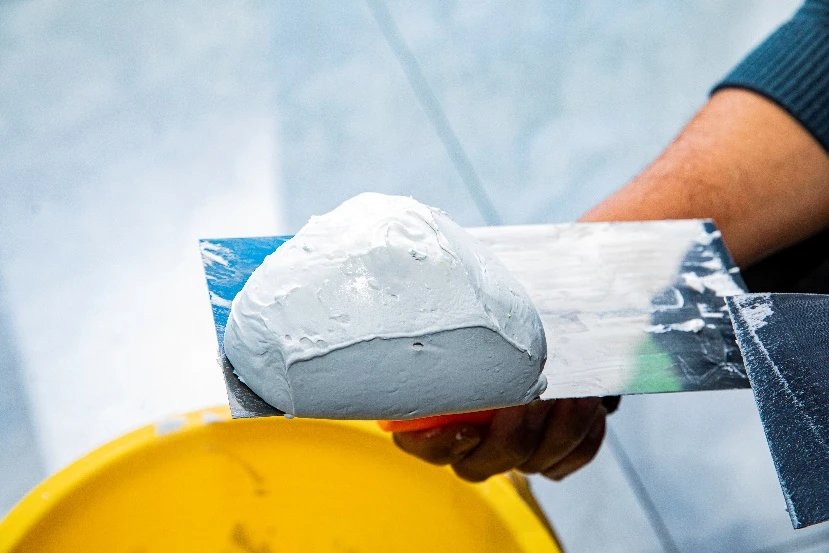
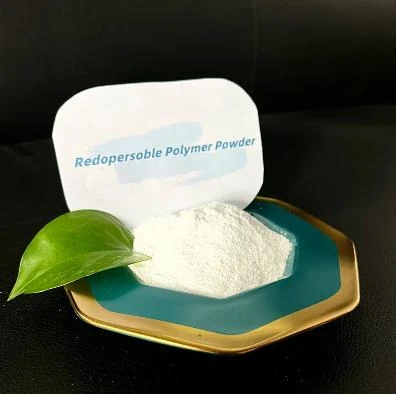

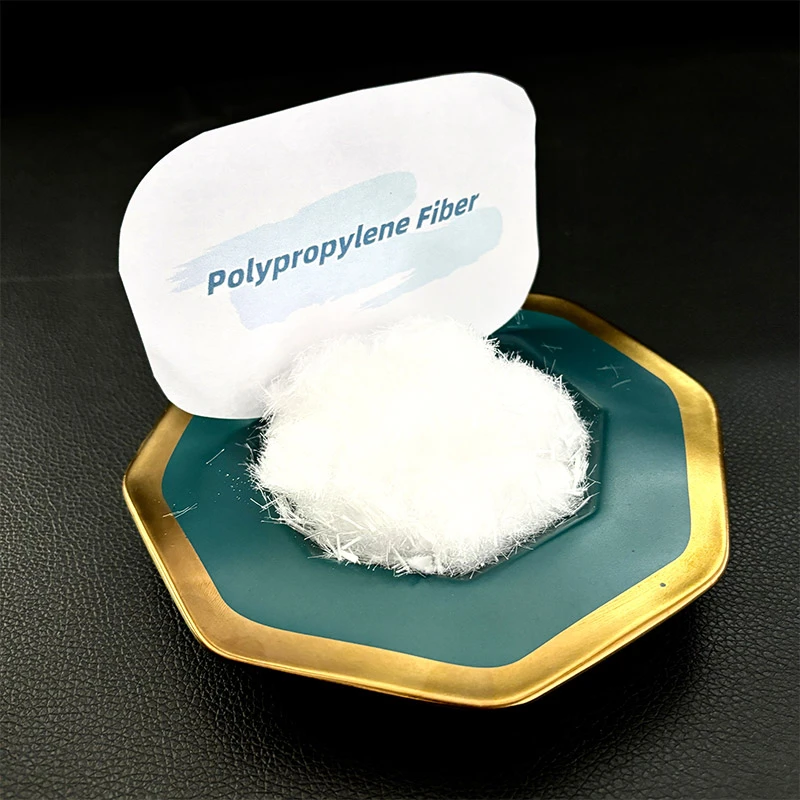


Fiberglass for Concrete Mix Enhancing Strength and Durability Concrete is one of the most widely used construction materials in the world, known for its strength and versatility. However, it does have its limitations, such as brittleness, susceptibility to cracking, and overall weight. To tackle these challenges, the incorporation of fiberglass into concrete mixes has emerged as a game-changing solution that boosts performance while maintaining the same traditional characteristics of concrete. What is Fiberglass? Fiberglass, or glass fiber, is a reinforced plastic material composed of fine fibers of glass. It is known for its high strength-to-weight ratio, excellent resistance to corrosion, and impressive insulation properties. When added to concrete mixes, fiberglass can significantly enhance the material's overall performance, making it a popular choice in various construction applications. Benefits of Fiberglass in Concrete Mixes 1. Improved Tensile Strength One of the most significant advantages of incorporating fiberglass into concrete is the enhancement of tensile strength. Traditional concrete tends to be strong in compression but weak in tension, which can lead to cracks and structural failures. By adding fiberglass, the tensile strength increases, making the concrete more resistant to stress and load-bearing requirements. 2. Reduced Shrinkage and Cracking Fiberglass acts as a reinforcement that helps to minimize shrinkage during the curing process. This reduction in shrinkage translates to a decreased risk of cracking, which is often a common issue in standard concrete mixes. By effectively controlling cracking, fiberglass-reinforced concrete extends the lifespan of structures and reduces the need for repairs. 3. Lightweight Composition The lightweight nature of fiberglass compared to traditional reinforcement materials like steel means that concrete mixes can maintain lower overall weight. This can reduce the structural load on foundations while still providing the necessary strength and durability. Such lightweight composition is particularly advantageous in projects where load restrictions are critical. fiberglass for concrete mix 4. Enhanced Durability Fiberglass is naturally resistant to corrosion and chemical attack, which can often plague concrete exposed to harsh environmental conditions. By incorporating fiberglass, the resulting concrete becomes more robust against moisture penetration, temperature fluctuations, and aggressive chemicals, making it ideal for use in areas such as coastal regions, industrial sites, or places with severe weather. 5. Cost-Effectiveness While there may be initial costs associated with adding fiberglass to concrete mixes, the long-term savings are significant. The durability and reduced maintenance associated with fiberglass-reinforced concrete often lead to lower repair and replacement costs over the lifecycle of a structure. Additionally, the efficiency of construction and the potential reduction in material usage can further offset expenses. Applications of Fiberglass-Reinforced Concrete The application of fiberglass in concrete mixes spans across various sectors including residential, commercial, and industrial construction. From precast concrete products to architectural elements, such as facades and sculptures, fiberglass enhances the performance and aesthetic appeal of concrete structures. One notable application is in the construction of pavements and flooring systems. The addition of fiberglass not only improves the structural integrity but also provides slip resistance, ensuring safety in both industrial and commercial environments. Moreover, the use of fiberglass in thin overlays and shotcrete processes shows significant promise, allowing for quick application with high durability. Conclusion In conclusion, the integration of fiberglass into concrete mixes presents a wealth of benefits that significantly enhance the material's performance. Improved tensile strength, reduced shrinkage, enhanced durability, and lightweight composition make fiberglass-reinforced concrete an excellent choice for modern construction projects. As the construction industry continues to evolve, adopting innovative materials like fiberglass will be crucial in meeting the demands for stronger, more resilient, and cost-effective building solutions. By embracing these advancements, engineers and architects can create structures that not only stand the test of time but also contribute to more sustainable development practices.
- 40000tons

Production
- 20+years

Experience
- 5000+㎡

Acreage

-
L’idrossipropilmetilcellulosa (HPMC), con il suo grado specifico E5, ha attirato l'attenzione di molti settori, grazie alle sue proprietà uniche, in particolare in ambito farmaceutico e alimentare. La solubilità dell'HPMC E5 in acqua è un tema essenziale per esperti e produttori che cercano di sfruttare appieno il suo potenziale. L'HPMC E5 è noto per la sua eccellente capacità di formare gel e per la sua solubilità variabile che dipende dalla temperatura dell'acqua . A temperature ambiente, l'HPMC E5 si scioglie facilmente, creando una soluzione viscosa. L'aumento della temperatura può influenzare notevolmente la sua solubilità, dato che l'HPMC tende a precipitare se esposto a temperature troppo alte. Questo comportamento unico è sfruttato nei processi industriali per controllare la consistenza e la stabilità delle formulazioni. Gli esperti nel campo dei polimeri riconoscono l'importanza di comprendere le caratteristiche termiche dell'HPMC. Test sperimentali e studi empirici hanno contribuito a delineare un quadro dettagliato della sua solubilità. È stato osservato che, in generale, a temperature inferiori ai 40°C, l'HPMC E5 si dissolve efficientemente, rendendolo ideale per applicazioni che richiedono soluzioni chiare e stabili. Questo suo comportamento è particolarmente apprezzato nell'industria farmaceutica per la produzione di capsule e compresse, dove è fondamentale garantire una dissoluzione coerente e controllata dei principi attivi. La preparazione corretta della soluzione di HPMC E5 è di cruciale importanza per garantire la qualità del prodotto finale. Gli esperti consigliano di aggiungere l'HPMC all'acqua sotto agitazione continua per prevenire la formazione di grumi, seguita da un graduale aumento della temperatura per accelerare la dissoluzione senza superare il punto di intorbidimento. Questa tecnica non solo ottimizza la solubilità, ma mantiene anche l'integrità della soluzione, assicurando così stabilità durante l'intero ciclo di produzione. Nonostante la sua solubilità in acqua, l'HPMC E5 si distingue per la sua stabilità chimica e il suo comportamento inerte, che garantiscono la sicurezza del prodotto in diverse condizioni ambientali e pH. Questo è particolarmente vantaggioso nel settore alimentare per migliorare la consistenza e conservare i nutrienti senza influire sul sapore o sull'aroma. hpmc e5 solubilità in acqua Inoltre, è importante notare che la solubilità dell'HPMC E5 non è influenzata solo dalla temperatura, ma anche dalla qualità dell'acqua. Minerali disciolti e impurità possono alterare la formazione del gel, per cui si raccomanda l'uso di acqua demineralizzata o distillata per ottenere i risultati migliori. Grazie alla sua versatilità e affidabilità, l'HPMC E5 si è affermato come un componente essenziale nei processi di produzione dove la solubilità è una preoccupazione primaria. Le proprietà intrinseche del polimero, combinate con una comprensione approfondita delle condizioni operative ideali, permettono di sviluppare prodotti innovativi e sostenibili che soddisfano gli standard di qualità richiesti dall’industria moderna. Ogni applicazione può richiedere un approccio leggermente diverso per sfruttare necessariamente la solubilità dell'HPMC E5. Fare uso di macchinari avanzati e adottare procedure di controllo qualità migliorano ulteriormente la precisione e l'efficacia dell'uso di questo polimero. Tali pratiche rafforzano non solo la fiducia dei consumatori nei prodotti finiti, ma elevano anche l'intero settore attraverso il rispetto del massimo rigore scientifico e tecnico. In conclusione, la comprensione accurata della solubilità dell'HPMC E5 non è solo un vantaggio tecnologico, ma una necessità per le industrie che cercano di dominare mercati competitivi attraverso l'innovazione e la qualità garantita.
-

Understanding Cellulose Derived from Wood Cellulose is one of the most essential organic polymers found in nature, and it plays a crucial role in the structure of plants. In particular, cellulose derived from wood is of great significance in various industries, including paper production, textiles, and bioplastics. This article delves into what cellulose is, how it is derived from wood, and its applications in various fields. What is Cellulose? Cellulose is a complex carbohydrate, specifically a polysaccharide, composed of long chains of glucose molecules linked by β-1,4-glycosidic bonds. It serves as a fundamental building block in the cell walls of plants, providing structural support and rigidity. Unlike starch, which is used by plants as an energy source, cellulose is not digestible by humans; however, it plays a vital role in the human diet as dietary fiber, contributing to digestive health. How is Cellulose Derived from Wood? Wood is primarily composed of three types of polymers cellulose, hemicellulose, and lignin. Among these, cellulose is the most abundant, typically constituting about 40-50% of the wood mass. The extraction of cellulose from wood involves several stages 1. Harvesting and Processing Trees are harvested, and the wood is processed into smaller chips to facilitate further treatment. 2. Delignification The next step is to remove lignin, which serves as a glue-like substance binding cellulose fibers together. This process is often conducted using chemical methods, such as kraft pulping or sulfite pulping, which break down the lignin while preserving the cellulose fibers. 3. Bleaching After delignification, the resultant cellulose pulp may undergo a bleaching process to remove any residual lignin and improve the whiteness of the pulp. This step ensures that the cellulose is suitable for applications that require high purity, such as paper and textiles. 4. Purification Finally, the cellulose can be further purified through washing and drying processes, resulting in a high-quality cellulose product. apa itu selulosa yang terbuat dari kayu Applications of Cellulose from Wood The versatility of cellulose leads to its use in a wide range of applications. Some prominent uses include 1. Paper Production Cellulose is the main component in the production of paper and cardboard. The properties of cellulose fibers, such as their strength and flexibility, make them ideal for this purpose. The paper industry heavily relies on wood-based cellulose to produce everything from newspapers to high-quality printing paper. 2. Textiles Cellulose is used to produce various types of fibers, such as rayon and lyocell. These fibers are used in clothing, upholstery, and other textile products. The cellulose-derived fibers are biodegradable and provide an alternative to synthetic fibers, aligning with sustainable fashion practices. 3. Bioplastics With the growing concern over environmental sustainability, cellulose is being explored as a raw material for bioplastics. These biodegradable plastics can be manufactured from cellulose and serve as eco-friendly alternatives to conventional petroleum-based plastics. 4. Food Industry In the food industry, cellulose is used as a food additive, serving as a stabilizer, thickening agent, or emulsifier. It helps improve the texture and shelf-life of various food products. 5. Pharmaceuticals and Cosmetics Cellulose is also employed in the pharmaceutical and cosmetic industries. It is used as a binder in tablets and as a thickener in creams and lotions. Conclusion Cellulose, particularly that derived from wood, is a remarkable natural polymer with an extensive range of applications. Its unique structural properties make it indispensable in various industries, enriching our daily lives in multiple ways. The continuous exploration of cellulose's properties and potentials also paves the way for innovative and sustainable applications, contributing to the broader goal of environmental conservation. As industries shift towards more sustainable practices, cellulose stands out as a key material in fostering a greener future.
advantages
-

200000 Viscosities
Excellent product
We can produce pure products up to 200,000 viscosities
-

40000 tons
High yield
We don’t stop production all year round, and the annual output can reach 40,000 tons
-

24 hours
Quality service
We provide 24-hours online reception service, welcome to consult at any time
———— Inquiry Form
Schedule A services
-
 is_hpmc_safe
Oct . 25, 2025
Hydroxypropyl Methylcellulose (HPMC) is a multifaceted compound that has garnered significant attent -
 pt_susilia_indah_synthetic_fibers_industries
Oct . 25, 2025
Advancements in Starch Ether Technology: Innovation in Material Science Starch ether , a refined whi - harga_metilselulosa
Oct . 25, 2025
When delving into the world of hydroxypropyl methylcellulose (HPMC), understanding the various grade


